
Internal movement art
Tai Chi: balance, rooted stance, continuous flow
Tai Chi is a slow, internal movement art whose practice centers on relaxed alignment and unbroken motion. This guide traces its principles, its major forms, and the history behind them.
Principles and practice
What shapes a Tai Chi practice
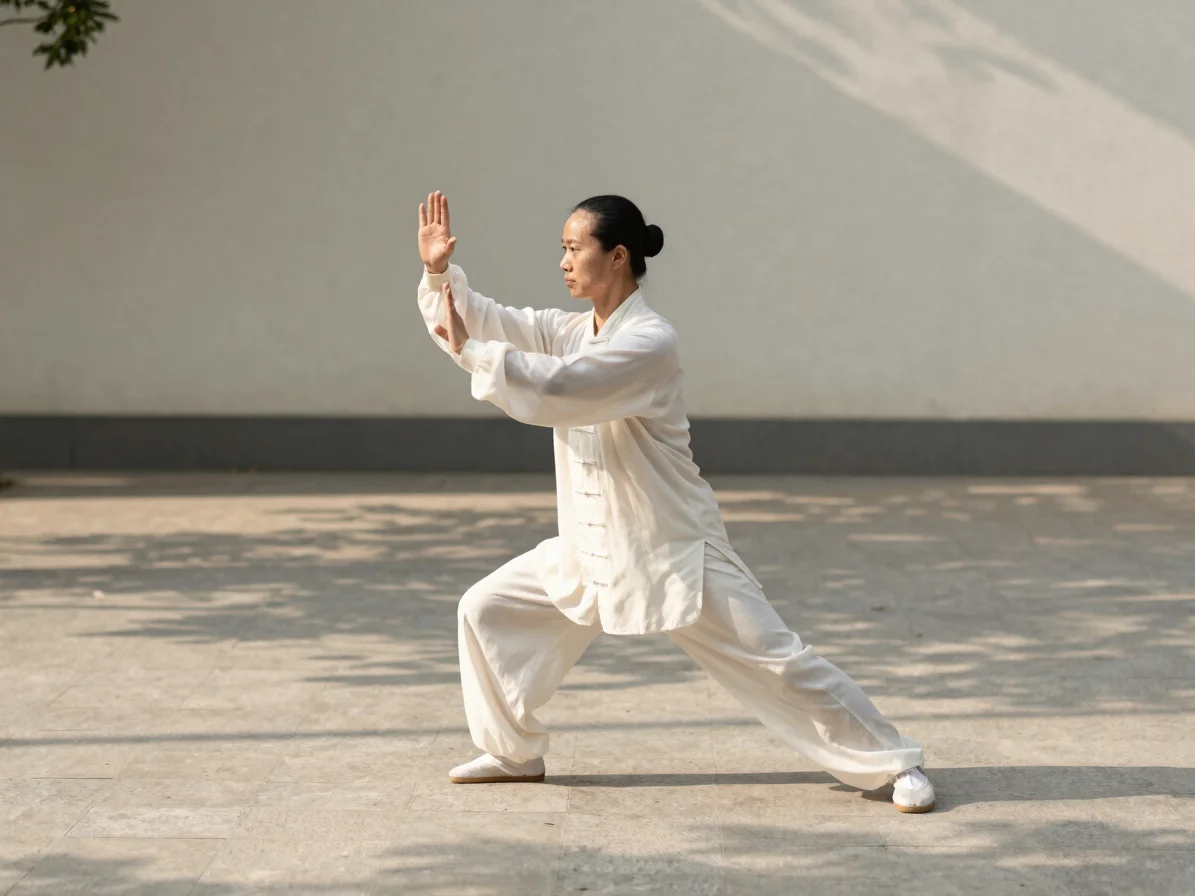
Principle one
Relaxed alignment
Practitioners keep the body upright and loose, letting weight settle through the feet rather than being held by tension. Posture is refined slowly, so that structure supports the movement without strain.
Principle two
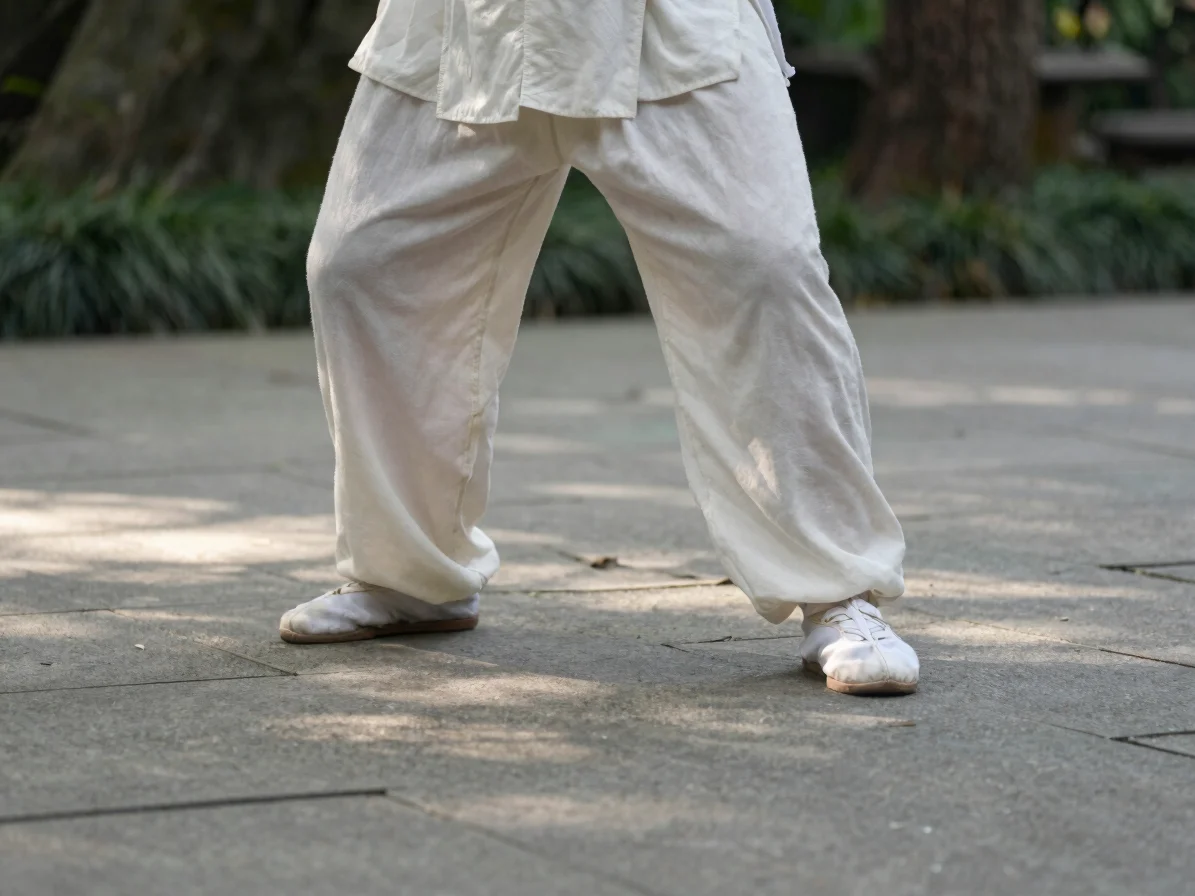
Rooted stance and continuous flow
Each shift of weight is deliberate, and one movement leads into the next without a pause. Steady footwork and a grounded stance give the flow its stability, a quality practitioners develop over many sessions.
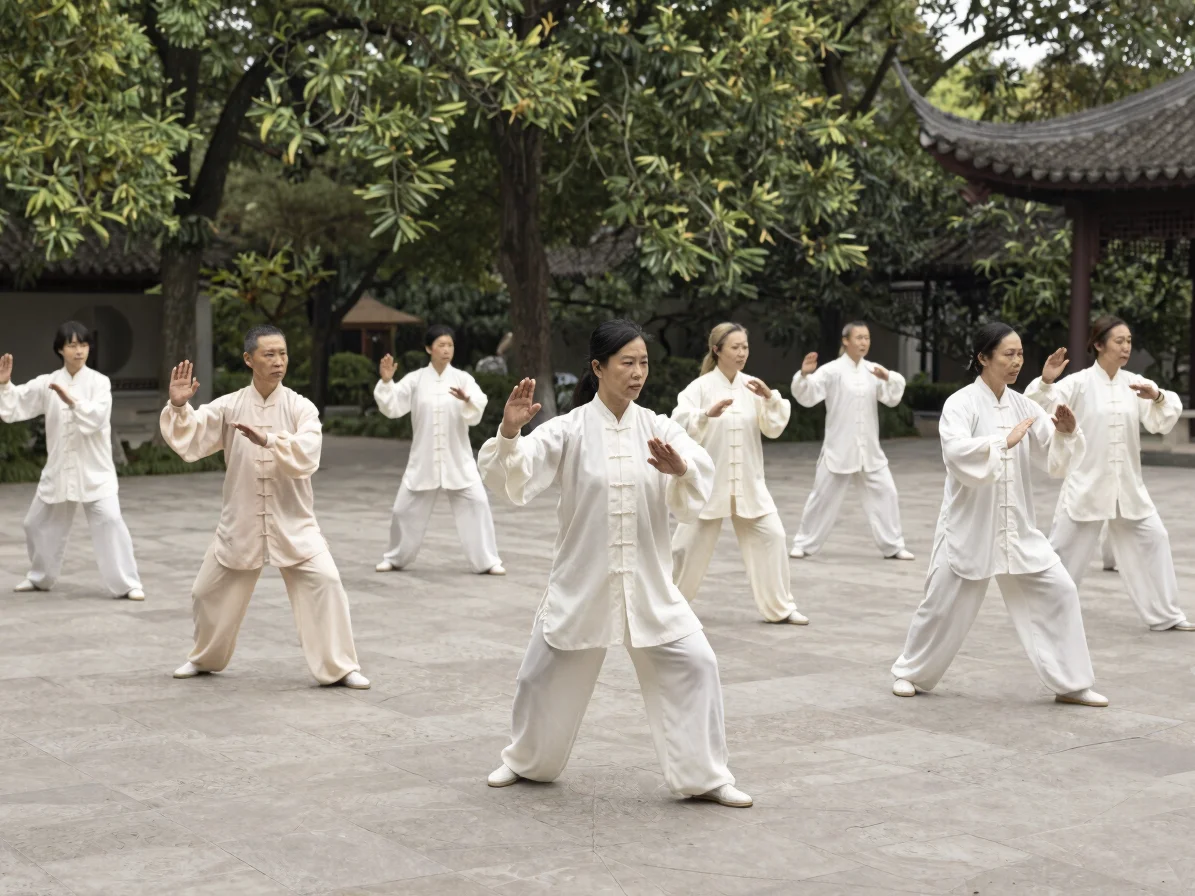
Principle three
Forms, history, and lineage
Traditional forms are passed down through named lineages, and the major styles differ in pacing, posture, and emphasis. Learning the history helps readers understand why each form looks the way it does.
Progression
From slow solo forms to refined balance
01
Learn the basic postures
Begin with a few simple stances and transitions, practiced slowly enough to notice alignment, breath, and weight shifts.
02
Connect the movements
Once the postures feel familiar, link them into a short solo form, keeping a steady pace and an unbroken rhythm between each step.
03
Refine posture and balance
With regular practice, the form grows smoother and more stable. Patience and consistent sessions matter more than speed or the number of forms learned.